A vinyl fence warranty is not one countywide promise. It is whatever the current written documents say for the product on your posts and, separately, whatever labor terms the installer puts in the contract. Those papers change by maker, dealer, and year. This page tells you what to collect and ask. It does not invent manufacturer terms, brand warranties, or labor clocks.
Fence Pros San Diego is a referral service. It does not manufacture vinyl, install fences, or warrant panels or labor. You contract with and pay the independent professional. Confirm every coverage sentence against the documents in your hand.
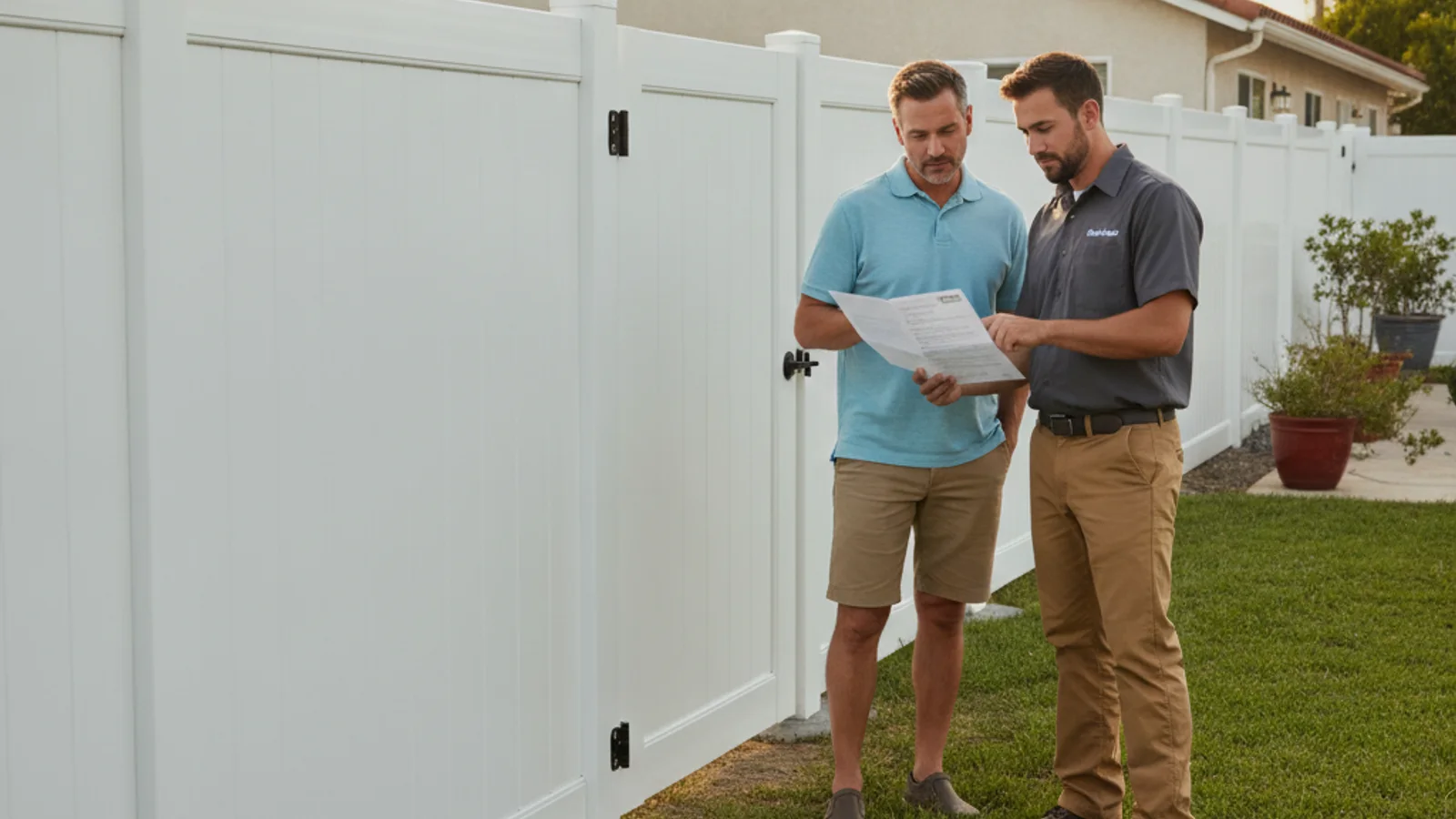
Two documents, two companies
Ask for the product warranty sheet that belongs to the exact panel system on the bid. Ask for the installer’s labor or workmanship terms in the same packet. If either paper is missing, treat coverage as unknown.
Do not treat a sales conversation as the warranty. Do not treat this article as a substitute for the sheet. Maker language, prorating, transfer rules, and exclusions are not restated here because they were not verified for any named brand in the approved claims ledger.
Useful questions while you still have competing bids:
- What product name, color, and height are on both the invoice and the warranty sheet?
- Does the labor term cover post plumb, footings, and gate operation, or only something narrower?
- Who do you call first, the installer or the maker’s listed claims path?
- Is hardware on the panel paper, a separate hardware sheet, or neither?
Our vinyl fence installation guide covers how to compare install scopes. It does not rank warranties.
What the papers usually make you check, not what they cover
Read the exclusions and the required installation method on the actual sheet. Typical homeowner mistakes are assuming impact, storm, paint, or extra-drilled accessories are covered. Whether they are excluded is a fact about that document, not a San Diego rule.
Coastal lots in La Jolla, Coronado, Imperial Beach, and Encinitas often show hardware corrosion first. Inland East County lots more often show irrigation film and UV on the panel faces. Neither climate story proves a claim result. Photograph the defect, then file against the named paper.
If you later add lattice, solar caps, or a different maker’s pickets, ask in writing whether that change affects the existing term. Do not guess.
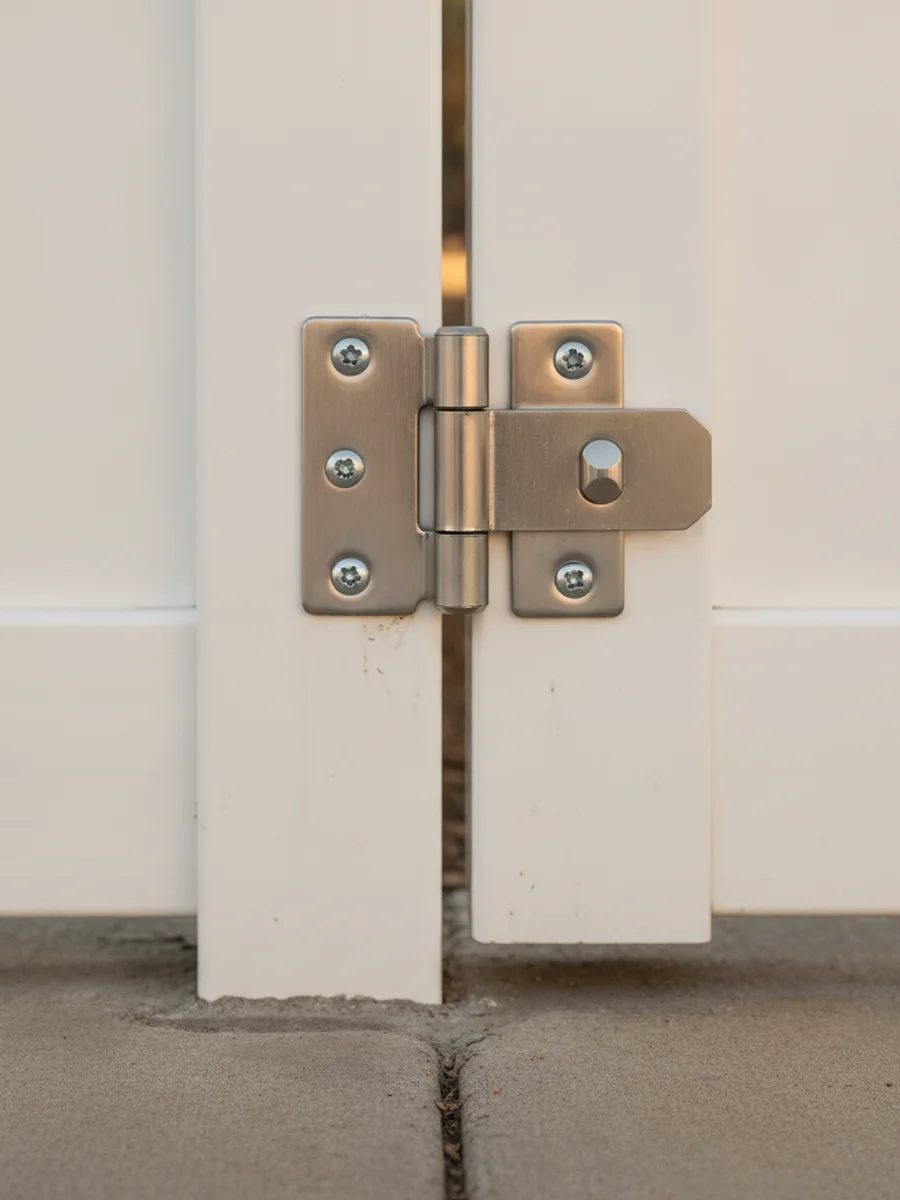
Installation, licensing, and what can empty a claim file
Many product sheets require installation that matches the published spec. Whether DIY or an unlicensed setter voids coverage is a sentence on that sheet. Read it. Do not take a blog’s “usually voids” as the rule.
Verify the bidder’s California license at the CSLB license tool. C-13 covers fences and gates and excludes masonry walls. Business and Professions Code section 7048’s under-$1,000 exemption does not turn a full vinyl run into casual unlicensed work.
If the fence is on a shared line, California Civil Code section 841 still governs notice and presumed equal sharing of reasonable dividing-fence costs among adjoining private landowners. That statute is not a warranty.
City of San Diego Table 142-03A and County PDS 070 speak to permits and zoning, not to maker coverage. Confirm height and review with the desk that owns the parcel.
How to file without guessing the outcome
Keep the signed contract, the product sheet, dated photos, and the installer’s license number. Do not repair or replace the section first if you intend to claim. A homeowner patch can be used to deny a claim. That risk is why you photograph first.
Ask the contractor which company inspects and how replacement parts are matched to an older run. Color and profile drift across production years. Matching is a scope question. See vinyl fence panels separating if the issue is a gap rather than a color claim.
Compare wood fence vs vinyl fence for material task fit. Do not use that page as a warranty chart. No per-foot price table belongs on a warranty article. Fence Pros San Diego does not set prices.
Frequently asked questions
How long does a vinyl fence warranty last?
Whatever the current written maker and labor documents say for that product and that contract. This site does not publish a typical year count.
Does a vinyl fence warranty cover storm or impact damage?
Only if the document in your hand says so. Storm and impact are often insurance questions instead. See fence storm damage in San Diego.
Does painting vinyl void coverage?
Ask the current sheet. Do not paint first and ask later.
Is coverage transferable when I sell the house?
Only if the written transfer rules are followed. Get that in writing at sale, not from a memory of “lifetime.”
Who backs a leaning post versus a cracked panel?
The labor paper and the product paper answer different failures. A leaning post is often a footing or workmanship question. A cracked, unaltered panel may be a product question. The inspector named on the claim path decides, not this page.
When to call us
Call when you need a licensed independent contractor to compare a written vinyl scope and to put product and labor papers in the packet. Call us at (858) 400-4906 and we’ll match you with a fence professional. Confirm every warranty sentence on the current documents before you sign.